
CSAM supports South-South cooperation in agricultural technology innovation with IFAD at SSTC Marketplace
On 16 September 2026, the Centre for Sustainable Agricultural Mechanization (CSAM), together with the International Fund for Agricultural Development (IFAD) and the World AgriFood Innovation Conference (WAFI), organized the first South-South and Triangular Cooperation Marketplace on Agricultural Technology Innovation and Investment at the United Nations Compound in Beijing.
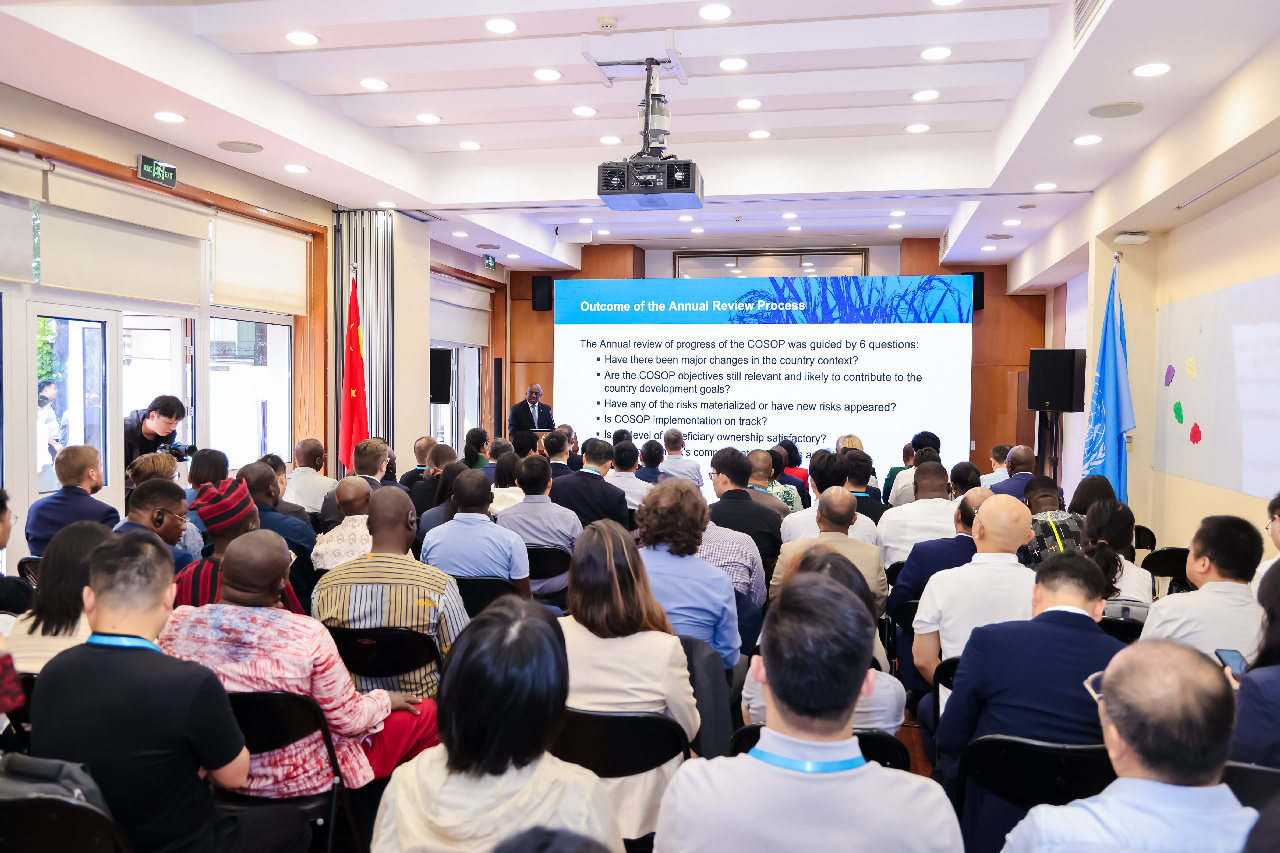
The Marketplace brought together representatives from international organizations, government institutions, universities and research institutes, industry associations and the private sector, including several CSAM long-standing partners, to exchange practical experiences in agricultural innovation and explore how South-South and Triangular Cooperation can help connect technologies and expertise with the needs of farmers and rural communities in developing countries.
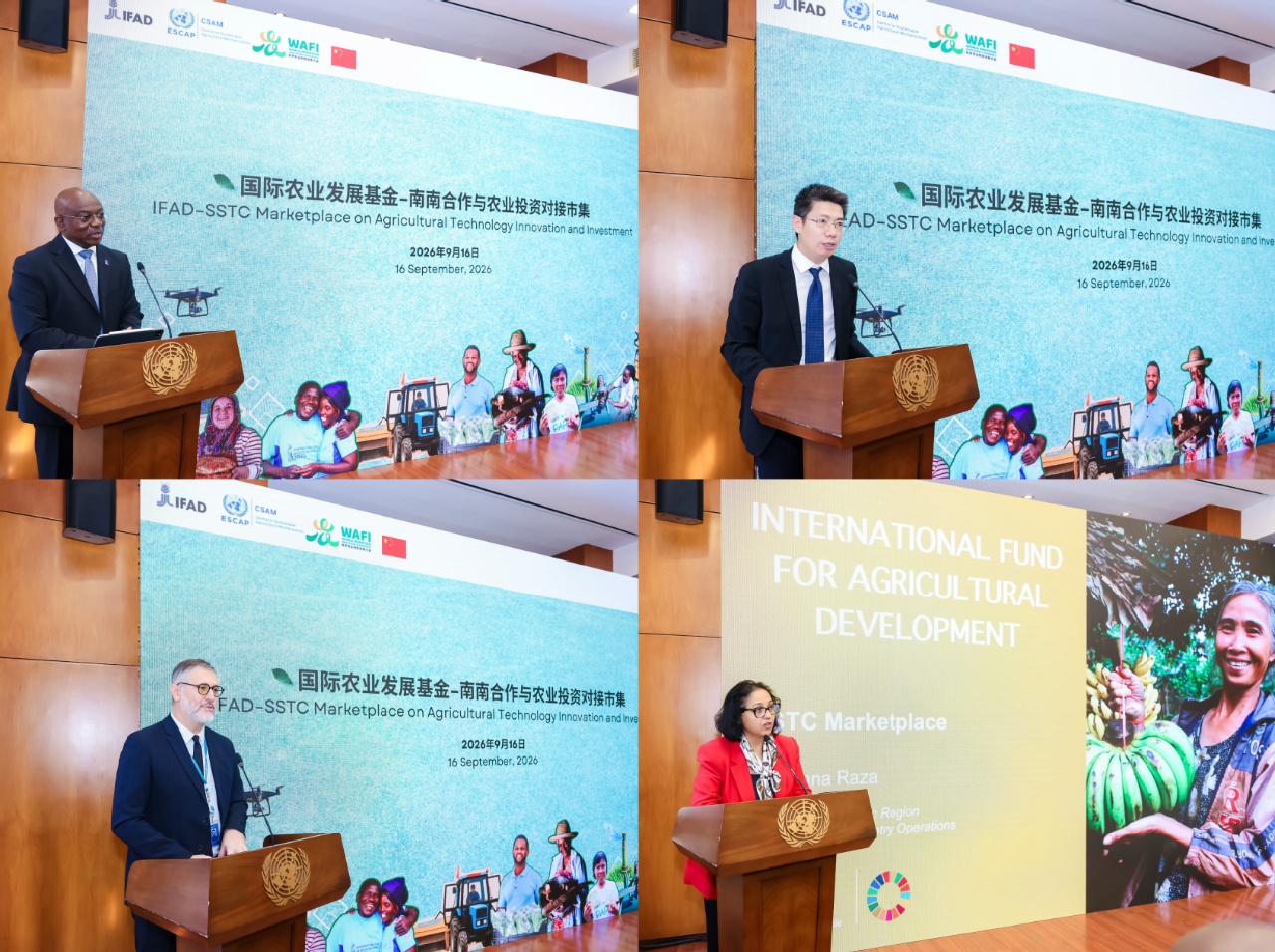
The event opened with remarks from representatives of IFAD, CSAM and the Centre for International Knowledge on Development (CIKD), who highlighted the importance of bringing together agricultural innovation, investment and international cooperation. The opening session emphasized that successful innovation is not only about developing new technologies, but also about ensuring that they respond to farmers’ needs, can be adapted to different local conditions, and are supported by appropriate institutions and partnerships. The event also highlighted growing potential for knowledge and innovations generated in China to be shared and adapted in other developing countries, also through IFAD country programmes and initiatives.
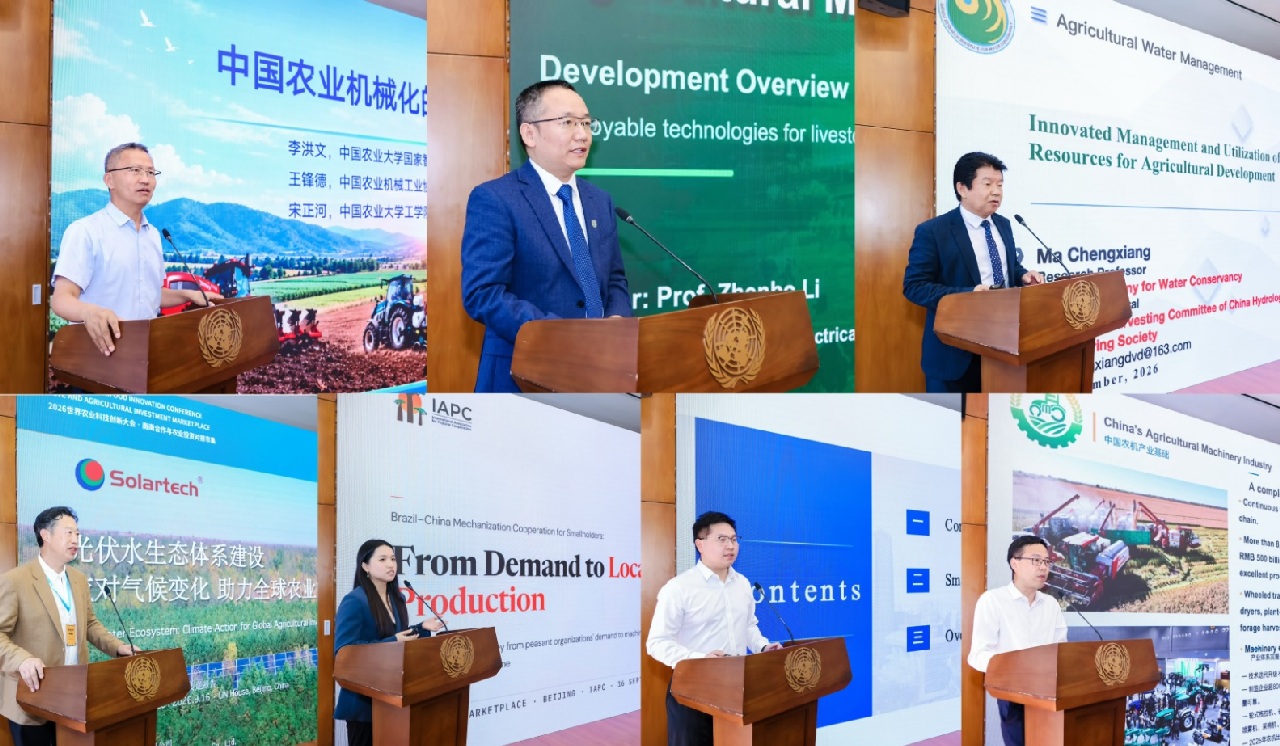
The thematic sessions brought together perspectives from universities, government institutions, research organizations and technology companies. Discussions covered agricultural mechanization, smart agriculture, machinery services, water management and climate resilience, highlighting the application of digital technologies, artificial intelligence and automated equipment in agricultural production. Participants also shared experiences in rainwater harvesting, water-saving irrigation and solar-powered water systems, demonstrating how practical technologies can help address challenges such as water scarcity, climate risks and limited access to agricultural services. The discussions highlighted the importance of adapting technologies to local conditions and strengthening the services, partnerships and knowledge exchange needed for their wider application.
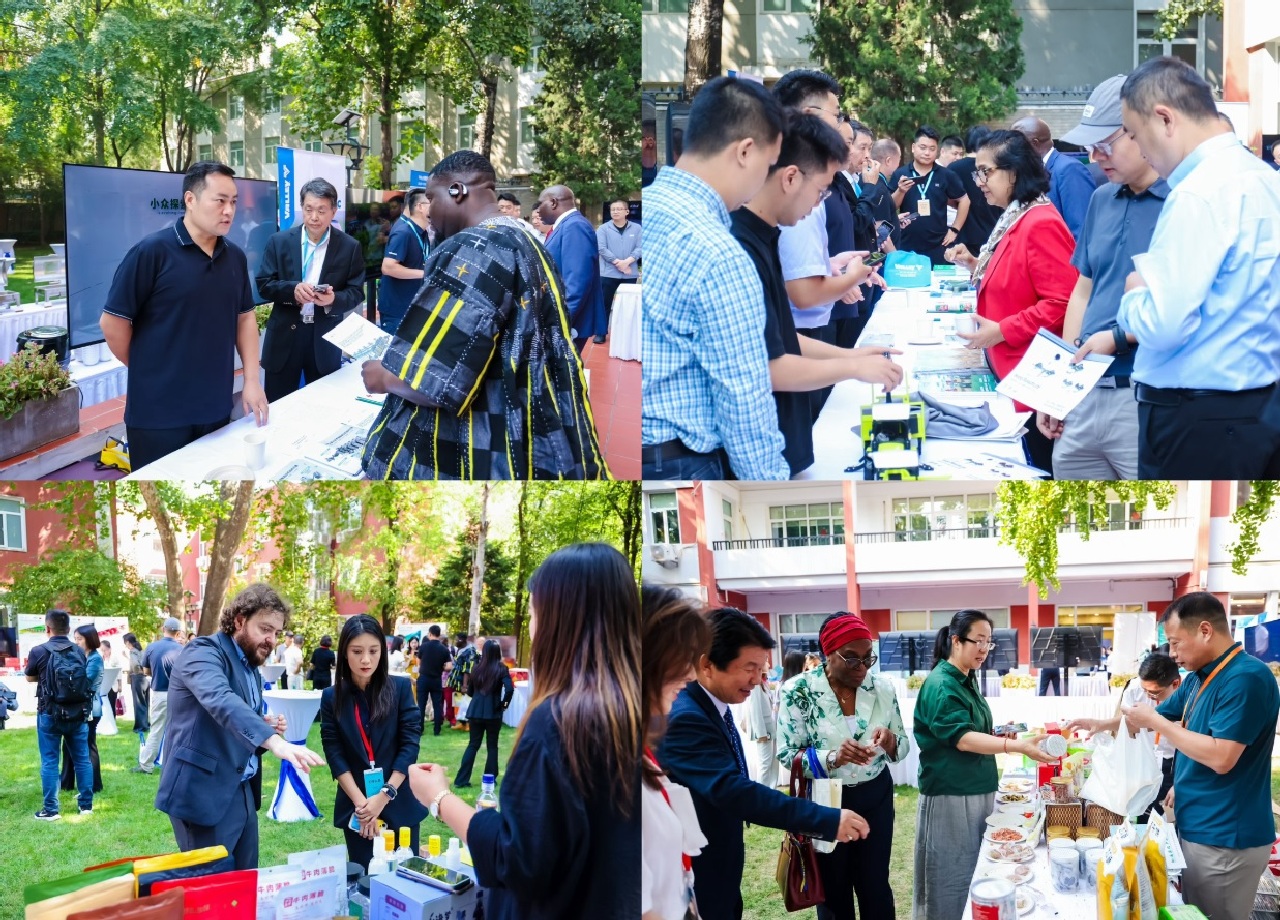
In the afternoon, the event moved from presentations to a more interactive marketplace format. Exhibition booths brought technologies, enterprises, institutions and agricultural products together in the outdoor area of the United Nations Compound. Participants were able to engage directly with technology and solution providers, explore agricultural equipment and practical applications, and learn about products from different agricultural value chains. Regional products and local specialties also provided a tangible introduction to the diversity of China’s agricultural production and rural industries.
The event underscored that effective agricultural innovation depends on more than technological performance alone. Solutions need to be appropriate to local conditions, accessible to farmers, supported by services and institutions, and connected with investment and knowledge networks. By bringing together development organizations, researchers, policymakers, technology providers and agricultural producers, the event provided a practical platform for turning South-South knowledge exchange into opportunities for adaptation, cooperation and wider application.