
Advancing Inclusive Agricultural Mechanization Through Smart Technologies in Asia-Pacific
Meeting Documents
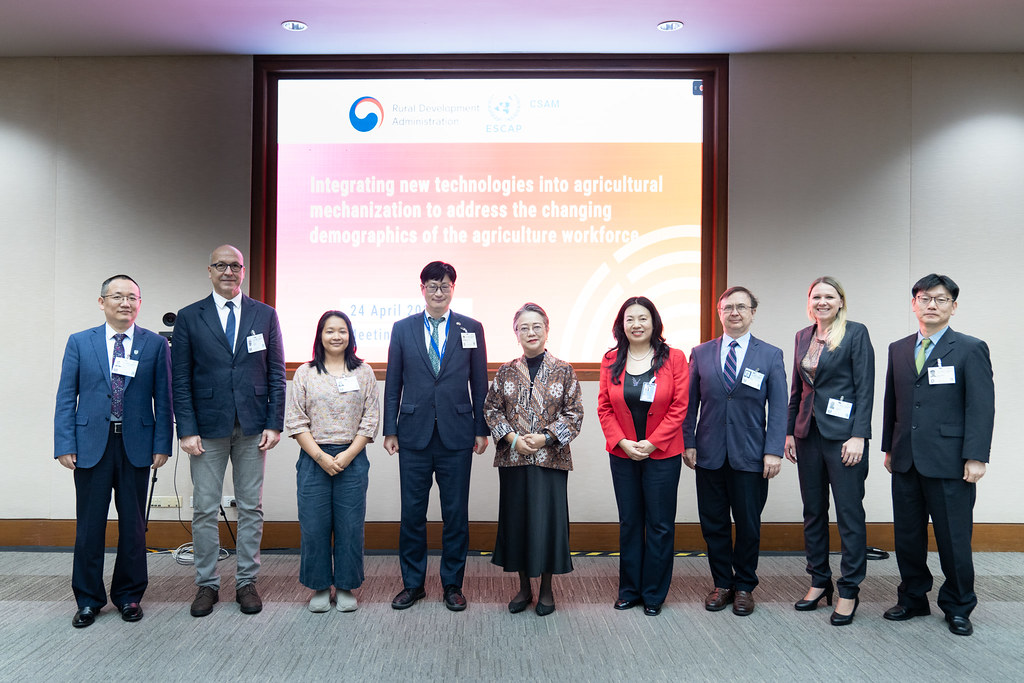
On 24 April 2026, the Centre for Sustainable Agricultural Mechanization (CSAM) co-organized in Bangkok a panel discussion on “Smart mechanization for shifting agricultural demographics - Integrating new technologies into agricultural mechanization to address the changing demographics of the agriculture workforce”, in collaboration with the Rural Development Administration of the Republic of Korea. The panel was alongside the eighty-second session of the Economic and Social Commission for Asia and the Pacific (ESCAP). Mr. Nam Hyuk Kim, Permanent Representative of the Republic of Korea to ESCAP, and Ms. Armida Salsiah Alisjahbana, Under-Secretary-General of the United Nations and Executive Secretary of ESCAP, opened the event, followed by a video message of Dr. Seungdon Lee, Administrator of the Rural Development Administration of the Republic of Korea.
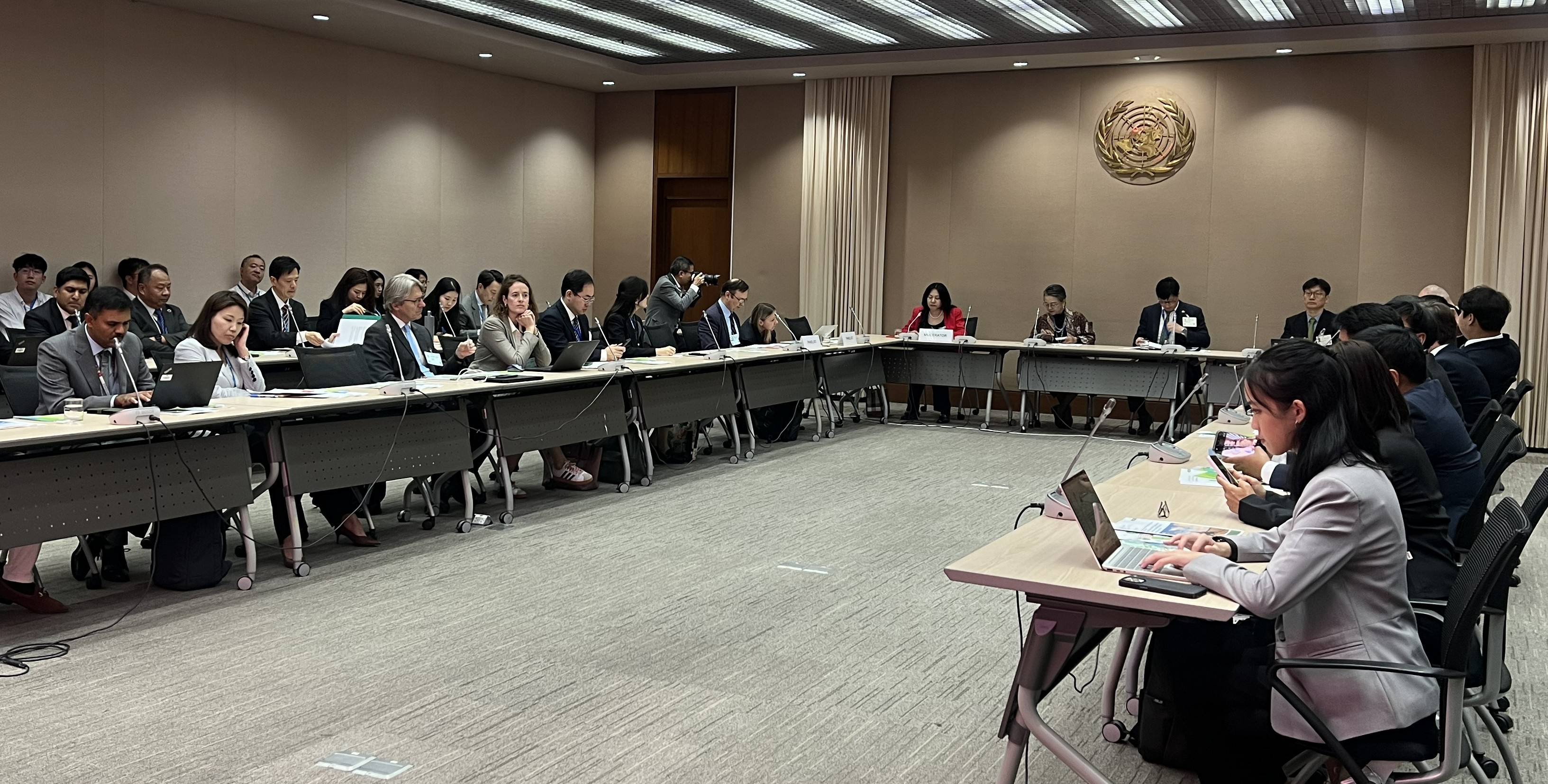
The event brought together representatives from government agencies, research and education institutions, civil society, and international organizations to explore regional efforts to integrate emerging technologies into agricultural mechanization policies. Discussions focused on how digitalization, automation, and inclusive service models can improve working conditions and productivity for elderly and women farmers, while attracting youth to agriculture. Participants highlighted the growing role of smart farming technologies, including drones, robotics, autonomous tractors, and IoT-based irrigation systems, in automating labor-intensive tasks, enhancing precision, supporting crop monitoring, and enabling data-driven decision-making.
Dr. Byounggap Kim, Senior Researcher at the National Institute of Agricultural Sciences, Rural Development Administration of the Republic of Korea, delivered a presentation on smart farming technology and policy. He outlined key shifts in the agricultural workforce, introduced field-level smart technologies, and discussed national policies supporting smart farming adoption.
Prof. Zhenbo Li, Deputy Dean of the College of Information and Electrical Engineering at China Agricultural University, presented on empowering farms of the future through new technologies for agricultural mechanization and inclusive workforce transformation. His presentation addressed aging populations in the Asia-Pacific region, highlighted efforts to empower women and older farmers, and showcased China’s practices and success stories in aquaculture and livestock production.
Prof. Rafis Abazov, Vice Rector of the Kazakh National Agrarian Research University, presented institutional models for regional integration in agricultural education and research for sustainable development. He emphasized the role of extension centers and academic institutions in fostering innovation, strengthening capacity building, and improving access to digital tools. The presentation highlighted how collaboration among research, education, and practice can support resilience, inclusivity, and sustainable growth across Central Asia, using Kazakh National Agrarian Research University as an example.
Dr. Hasan Silleli, Professor at Ankara University and Chair of the OECD Sub-working Group on Agricultural Robots addressed safety issues related to agricultural robots, tractors, and autonomous machines. He shared examples from Türkiye where new technologies significantly improve working conditions in agriculture, and introduced testing methods for autonomous tractors under OECD Standard Codes for the testing of agricultural and forestry tractors.
Ms. Katharina Staske, Managing Director of DLG Asia-Pacific, shared practical experiences from her engagement with stakeholders and the private sector through initiatives like the German-Thai Agricultural Cooperation (GETHAC) and the agricultural machinery exhibition Agritechnica Asia, noting that smart mechanization delivers value when technologies are simple, affordable, locally adapted, and capable of reducing inputs while increasing outcomes. She also emphasized the important trend of smart mechanization making agriculture more attractive to young people.
Ms. Irish Baguilat, Coordinator of the Women Farmers and Sustainable Agriculture Agenda at the Asian Farmers’ Association for Sustainable Rural Development, presented perspectives on inclusive smart mechanization. She shared findings from regional initiatives on collective action for inclusive digital transformation of agriculture in Asia-Pacific (2022–2023), highlighting key challenges of farmers in the region related to access, relevance, capacity, and governance. Recommendations included developing farmer-centered smart mechanization policies, investing in rural digital infrastructure, improving accessibility and affordability of technologies, building digital literacy, promoting farmer participation, strengthening farmer organizations and cooperatives, ensuring data protection and farmer rights, supporting context-appropriate innovation, and aligning digital agriculture with sustainability goals.
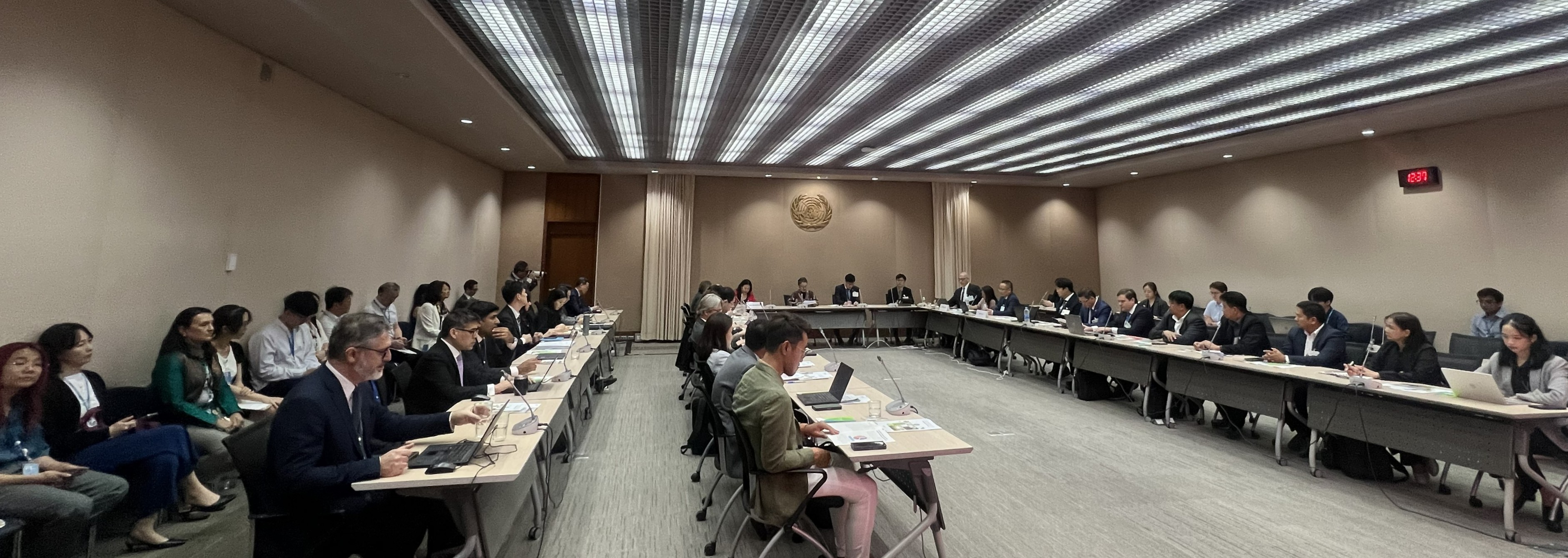
The event was moderated by Dr. Yutong Li, Head of CSAM, who reaffirmed in her closing remarks that integrating new technologies with inclusive policies and institutional support can help address demographic challenges in agriculture. As regional cooperation, knowledge exchange and pilot initiatives can help translate innovation into inclusive impact, she confirmed CSAM’s commitment to supporting its member States, partnering with relevant institutions.